
BOOKS, MOVIES & MORE RESEARCH CITY ARCHIVES & SPECIAL COLLECTIONS LOCATION-SPECIFIC SERVICES CONTACT OUR PROGRAMMING TEAM BEYOND THE LIBRARYMenu
Explore the history of New Orleans' most iconic parade throws — Mardi Gras beads — with local arts and entertainment writer Doug MacCash.
Beads are one of the great New Orleans symbols, as much a signifier of the city as a pot of crawfish or a jazzman’s trumpet. They are Louisiana’s version of the Hawaiian lei, strung around tourists’ and conventioneers’ necks to demonstrate enthusiasm for the city. The first in a new LSU Press series exploring facets of Louisiana’s iconic culture, Mardi Gras Beads delves into the history of this celebrated New Orleans artifact, explaining how Mardi Gras beads came to be and how they grew to have an outsized presence in New Orleans celebrations.
Mardi Gras Beads traces the history of these parade trinkets from their origins before World War One through their ascent to the premier parade catchable by the Depression era. Veteran Mardi Gras reporter Doug MacCash explores the manufacture of Mardi Gras beads in places as far-flung as the Sudetenland, India, and Japan, and traces the shift away from glass beads to the modern, disposable plastic versions. Mardi Gras Beads concludes in the era of coronavirus, when parades (and therefore bead throwing) were temporarily suspended because of health concerns, and considers the future of biodegradable Mardi Gras beads in a city ever more threatened by the specter of climate change.
Sponsored by the Friends of the New Orleans Public Library.
AGE GROUP: | Adults |
EVENT TYPE: | History/Preservation | Author Events | Arts & Cultural |
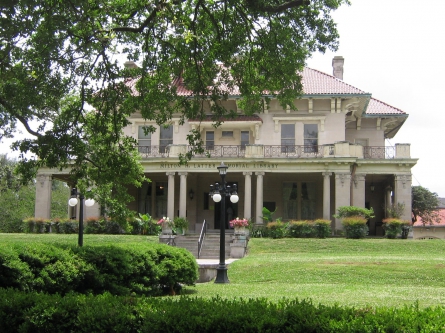
Milton H. Latter Memorial Library is located on St. Charles Avenue. The 1907 neo-Italianate mansion was generously donated to the city by the Latter family to serve as a library in memory of their son. Today the branch offers programs for all ages as well as reading rooms, computers, printers, and wi-fi.


